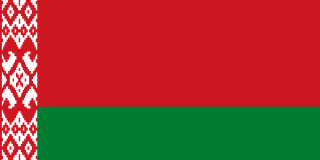
Belarus

Business Context Overview

Non-EU Member
Flag - Belarus
9.1–9.2M
Approx. 9.1–9.2 million inhabitants (2025 estimate; gradual demographic decline).
Population
€70–75B
Approx. €70–75 billion (2024–2025 estimate).
GDP (Nominal)
€7,500–€8,500
Approx. €7,500–€8,500 per capita (nominal).
GDP per Capita
2.0–3.0%
Approx. 2.0–3.0% (2024 estimate), supported by industrial output and external trade reorientation.
GDP Growth
5.0–6.5%
Approx. 5.0–6.5%, reflecting price pressures and currency dynamics.
Inflation
3.5–4.5%
Approx. 3.5–4.5% (official rate; labor market influenced by state employment structures).
Unemployment Rate
Belarusian ruble (BYN)
Currency
40–45%
Approx. 40–45% of GDP.
Public Debt

Economic Structure

IT and software services (notably export-oriented segments) Belarus maintains a state-influenced industrial economy with significant legacy manufacturing capacity and a relatively strong IT outsourcing sector. Türkiye Trade flows are heavily oriented toward Russia and Eurasian Economic Union markets, with reduced but ongoing engagement with the EU.

Manufacturing and industrial production (machinery, vehicles, chemicals)
State-owned heavy industry
Agriculture and food processing
Energy and petrochemical processing
IT and software services (notably export-oriented segments) Belarus maintains a state-influenced industrial economy with significant legacy manufacturing capacity and a relatively strong IT outsourcing sector.

Economic Outlook

Belarus is expected to maintain moderate growth supported by industrial production, trade with Eurasian partners, and domestic demand. Key structural developments include economic reorientation toward non-EU markets, continued reliance on state-owned enterprises, and gradual adaptation of export sectors. Long-term performance will depend on external trade conditions, structural reforms, and diversification beyond traditional industries.

Business Environment (High-Level)

Belarus offers a business environment shaped by Manufacturing and industrial production (machinery, vehicles, chemicals), State-owned heavy industry, Agriculture and food processing, with commercial activity supported by Machinery and transport equipment, Chemical products and fertilizers and regional market integration.

18%

20%

Approx. €200–€250 per month (2025 estimate).

Non-EU Member.

Approximately 5–8 days. Belarus offers relatively low labor costs and a structured industrial base, though the business environment is influenced by state control, regulatory constraints, and external economic factors.

Main Export Products

  • Machinery and transport equipment
  • Chemical products and fertilizers
  • Petroleum products
  • Agricultural goods
  • Metals

Main Export Partners

  • Russia
  • China
  • Kazakhstan
  • European Union (limited but still relevant in specific sectors)
  • Türkiye Trade flows are heavily oriented toward Russia and Eurasian Economic Union markets, with reduced but ongoing engagement with the EU.

Data & Transparency

Data Sources:

  • International Monetary Fund
  • World Bank
  • National Statistical Committee of Belarus
  • National Bank of Belarus

Last Updated: April 2026

Unlock the full profile and access all relevant business information.

Stay in the discussion. For credible follow-ups about Belarus.

Unlock Full Profile

Legal Disclaimer

This profile is based on publicly available data and AI-supported analysis. It does not constitute official or legally binding information. Users are required to verify all data with relevant authorities before making decisions. We are not a governmental body, public authority, or official representative of any country unless explicitly stated.