Iceland

Business Context Overview

Non-EU Member; member of the European Economic Area (EEA)
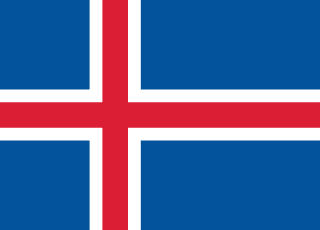
Flag - Iceland
393k
Approx. 393,000 inhabitants (2025 estimate; steady growth driven by immigration and high living standards).
Population
€30–32B
Approx. €30–32 billion (2024–2025 estimate).
GDP (Nominal)
€75,000–€82,000
Approx. €75,000–€82,000 per capita (nominal), among the highest in Europe.
GDP per Capita
2.0–3.0%
Approx. 2.0–3.0% (2024–2025), supported by tourism recovery, exports, and domestic consumption.
GDP Growth
5.5–6.5%
Approx. 5.5–6.5% (2024), with gradual decline expected toward 4–5% in 2025 following monetary tightening.
Inflation
3.5–4.0%
Approx. 3.5–4.0%, reflecting a tight labor market.
Unemployment Rate
Icelandic króna (ISK)
Currency
60–65%
Approx. 60–65% of GDP (2024–2025), declining gradually after pandemic-related increases.
Public Debt

Economic Structure

Digital services and emerging technology sectors Iceland’s economy is highly specialized and export-oriented, with a strong reliance on tourism and natural resources, supported by nearly 100% renewable electricity generation. Norway The EU remains Iceland’s largest trading partner, accounting for the majority of goods exports.

Tourism and hospitality, the largest export-oriented sector
Fisheries and seafood processing, a historically dominant industry
Renewable energy production (geothermal and hydropower)
Aluminum and energy-intensive industrial production
Digital services and emerging technology sectors Iceland’s economy is highly specialized and export-oriented, with a strong reliance on tourism and natural resources, supported by nearly 100% renewable electricity generation.

Economic Outlook

Iceland’s economy is expected to maintain moderate growth between 2–3% in the near term, supported by strong tourism demand, stable exports, and domestic consumption. Key structural developments include continued expansion of sustainable tourism, investment in renewable energy capacity, and gradual diversification into digital and knowledge-based sectors. Long-term economic performance will depend on managing tourism dependency, maintaining macroeconomic stability, and enhancing productivity in non-resource sectors.

Business Environment (High-Level)

Iceland offers a business environment shaped by Tourism and hospitality, the largest export-oriented sector, Fisheries and seafood processing, a historically dominant industry, Renewable energy production (geothermal and hydropower), with commercial activity supported by Fish and seafood products, Aluminum and metal products and regional market integration.

20%

24%

No statutory national minimum wage; wages are determined through collective agreements with relatively high wage levels.

Non-EU Member; member of the European Economic Area (EEA).

Approximately 4–6 days. Iceland offers a transparent, highly digitalized, and stable business environment with strong institutions, though high labor costs and a small domestic market limit scale.

Main Export Products

  • Fish and seafood products
  • Aluminum and metal products
  • Energy-intensive industrial goods
  • Tourism-related services

Main Export Partners

  • European Union
  • United Kingdom
  • United States
  • Netherlands
  • Germany
  • Norway The EU remains Iceland’s largest trading partner, accounting for the majority of goods exports.

Data & Transparency

Data Sources:

  • International Monetary Fund
  • World Bank
  • Eurostat
  • Statistics Iceland
  • Central Bank of Iceland

Last Updated: April 2026

Unlock the full profile and access all relevant business information.

Stay in the discussion. For credible follow-ups about Iceland.

Unlock Full Profile

Legal Disclaimer

This profile is based on publicly available data and AI-supported analysis. It does not constitute official or legally binding information. Users are required to verify all data with relevant authorities before making decisions. We are not a governmental body, public authority, or official representative of any country unless explicitly stated.