Economic Structure
Manufacturing and industrial production, particularly metal processing, automotive components, machinery, and wood processing Agriculture and food processing, especially livestock, dairy, fruit production, and beverage manufacturing Information technology and business services, a rapidly growing export-oriented sector Construction and infrastructure development Bosnia and Herzegovina maintains a strong industrial base relative to its size, particularly in export-oriented manufacturing integrated into European supply chains, especially for German, Austrian, and Italian companies. Slovenia The European Union accounts for over 70% of Bosnia and Herzegovina’s total exports, reflecting strong economic integration with the EU market.
Manufacturing and industrial production, particularly metal processing, automotive components, machinery, and wood processing
Energy production, including hydropower and coal-based electricity generation
Agriculture and food processing, especially livestock, dairy, fruit production, and beverage manufacturing
Information technology and business services, a rapidly growing export-oriented sector
Construction and infrastructure development Bosnia and Herzegovina maintains a strong industrial base relative to its size, particularly in export-oriented manufacturing integrated into European supply chains, especially for German, Austrian, and Italian companies.
Economic Outlook
Bosnia and Herzegovina’s economy is expected to maintain moderate growth between 2–3% annually in the near term, supported by exports to the European Union, steady remittance inflows from the diaspora, and ongoing infrastructure investment. Key structural developments include EU accession reforms, improvements in public administration, digitalization of government services, and gradual alignment with EU regulatory frameworks. Continued integration into European industrial supply chains—particularly in automotive components, metal processing, and IT services—is expected to remain a key driver of growth. However, long-term economic performance will depend on structural reforms, labor market modernization, improvements in the investment climate, and the ability to address demographic decline and skilled labor migration.
Business Environment (High-Level)
Bosnia and Herzegovina offers a business environment shaped by Manufacturing and industrial production, particularly metal processing, automotive components, machinery, and wood processing, Energy production, including hydropower and coal-based electricity generation, Agriculture and food processing, especially livestock, dairy, fruit production, and beverage manufacturing, with commercial activity supported by Electrical machinery and equipment, Metal products and steel and regional market integration.
10%, among the lowest corporate tax rates in Europe, designed to support competitiveness and attract foreign investment.
17%, applied uniformly across most goods and services.
Varies by entity. As of 2025 estimates: ● Federation of Bosnia and Herzegovina: approx. €460–€500 per month ● Republika Srpska: approx. €450–€500 per month Labor costs remain significantly lower than in the EU, contributing to Bosnia and Herzegovina’s attractiveness for manufacturing, outsourcing, and service operations.
EU Candidate Country (candidate status granted in December 2022).
Approximately 7–10 days, depending on the administrative entity and type of company registration. Overall, Bosnia and Herzegovina presents a cost-competitive business environment, particularly attractive for manufacturing relocation, nearshoring, and service outsourcing, although administrative complexity due to the country’s decentralized governance structure remains a structural challenge.
Main Export Products
- Electrical machinery and equipment
- Metal products and steel
- Automotive parts and components
- Furniture and wood products
- Processed agricultural goods
Main Export Partners
- Germany
- Croatia
- Serbia
- Italy
- Austria
- Slovenia The European Union accounts for over 70% of Bosnia and Herzegovina’s total exports, reflecting strong economic integration with the EU market.
Data & Transparency
Data Sources:
- World Bank
- International Monetary Fund
- Eurostat
- Agency for Statistics of Bosnia and Herzegovina
- Central Bank of Bosnia and Herzegovina
Last Updated: March 2026
Unlock the full profile and access all relevant business information.
Stay in the discussion. For credible follow-ups about Bosnia and Herzegovina.
Unlock Full ProfileConnected Insights
Related updates and posts connected to this profile.
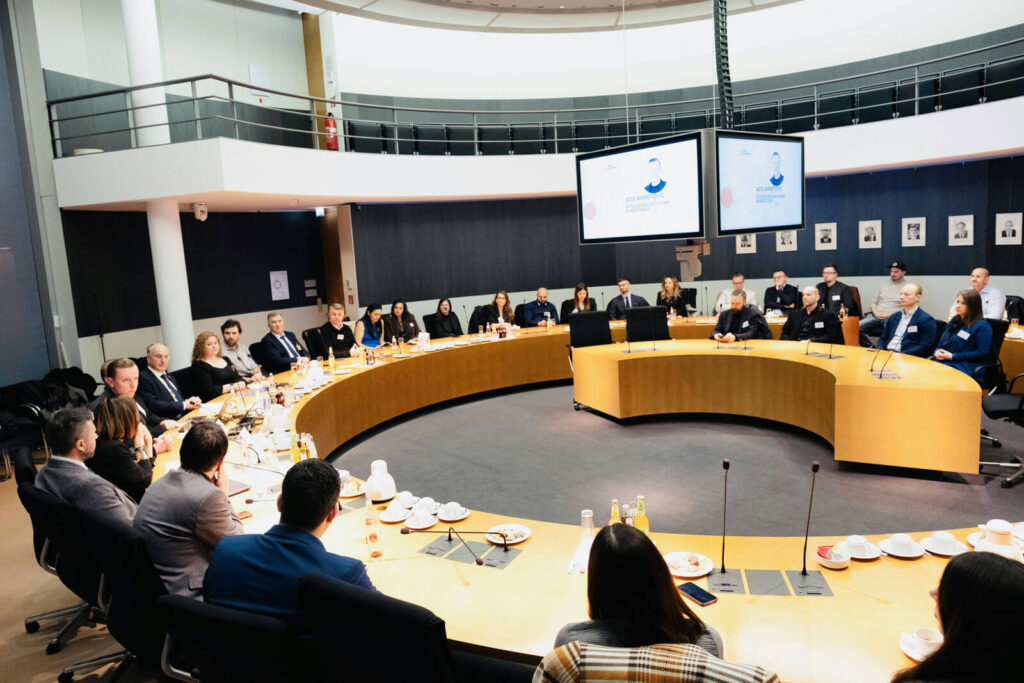
Bosnia – The Unbranded Country: A Discussion in the Bundestag
Inside Economies Europe marked its first major milestone with an invitation-only business and institutional event held at the...
ReadLegal Disclaimer
This profile is based on publicly available data and AI-supported analysis. It does not constitute official or legally binding information. Users are required to verify all data with relevant authorities before making decisions. We are not a governmental body, public authority, or official representative of any country unless explicitly stated.