Is Poland the New European Miracle?
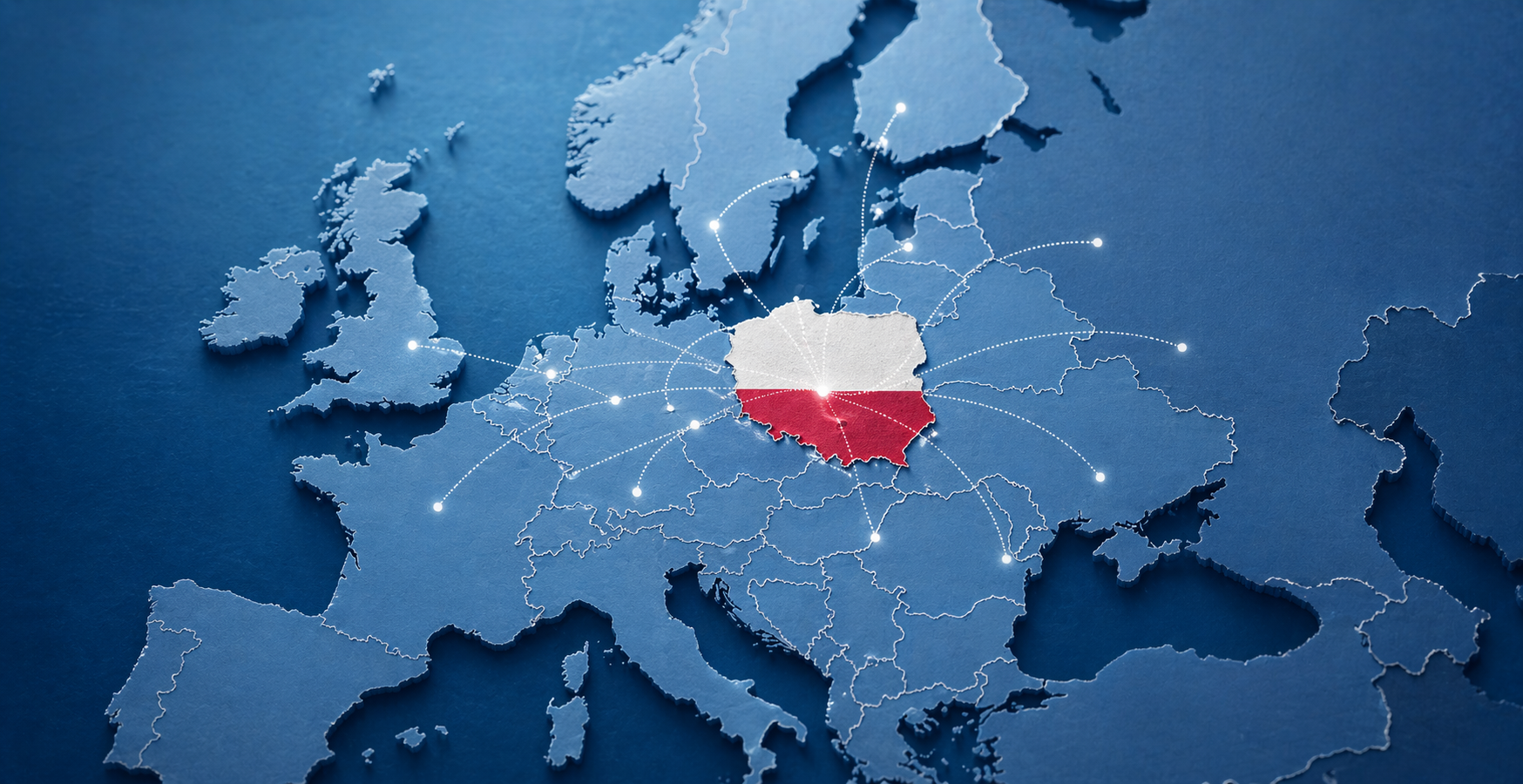
Poland is increasingly moving beyond the category of a convergence economy and positioning itself as a structural pillar within Europe.
In 2024, Poland’s GDP reached approximately €810–830 billion, making it the 6th largest economy in the European Union. GDP growth remained positive at around 2.5–3.0%, outperforming several core EU economies during a period of stagnation. GDP per capita (nominal) has crossed €21,000, more than doubling over the past decade.
Industrial performance remains central. Manufacturing contributes roughly 17–18% of GDP, significantly above the EU average. Exports exceeded €350 billion annually, with Germany accounting for around 28% of total exports, reinforcing Poland’s role as a key node in European supply chains.
Labor market dynamics remain a structural advantage. Unemployment is among the lowest in the EU, at approximately 2.8–3.2% (Eurostat methodology). At the same time, average wages—while rising—remain materially below Western European levels, preserving competitiveness.
Foreign direct investment continues to follow this trajectory. Poland consistently attracts €20–25 billion in annual FDI inflows, particularly in manufacturing, logistics, and business services.
However, cost convergence is accelerating. Average gross monthly wages surpassed €1,500–1,700, and demographic pressures are expected to tighten labor supply over the next decade.
Poland is no longer defined by cost advantage alone. It is consolidating its position as a core industrial economy within Europe, with scale, resilience, and increasing strategic relevance.